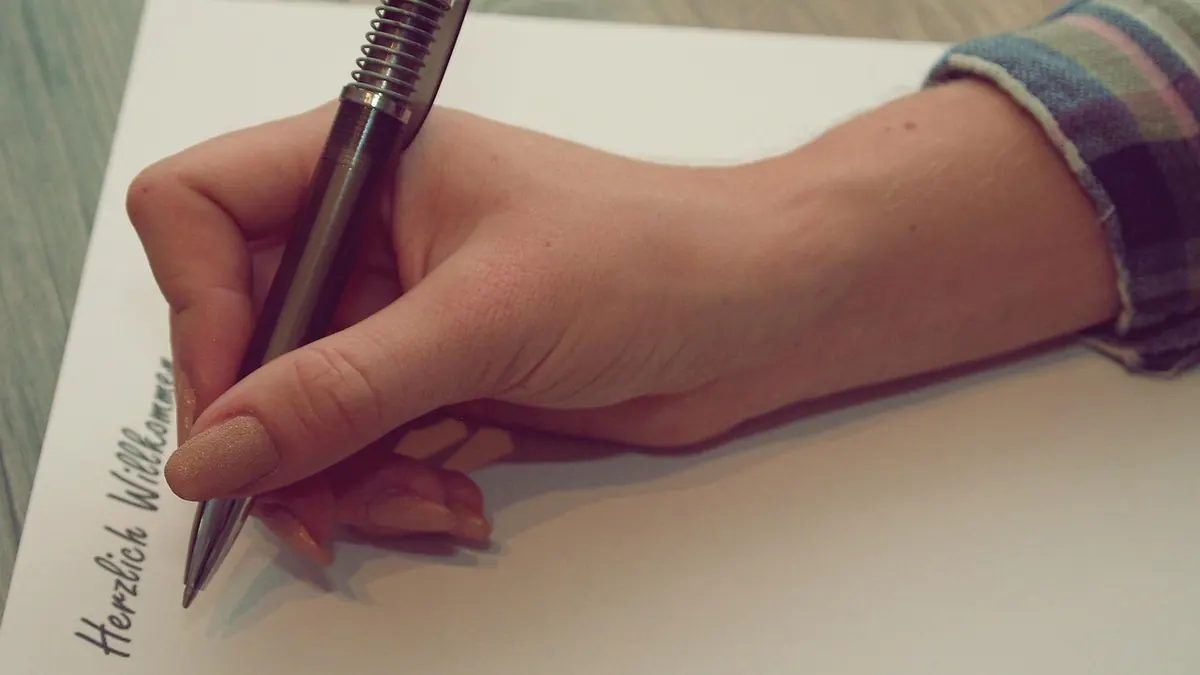
A Seasonal Reflection Guide: Journalling Through the UK's Four Seasons
There is a Tuesday in late October when the light turns the colour of weak tea, and you find yourself planning the evening around lamps rather than windows. Four months later, a morning arrives in March when you step outside without a coat and feel faintly ridiculous for enjoying it so much. Britain does not do dramatic seasons, but it does very particular ones, and that turns out to be more useful for a diary. Nothing needs to happen to you. The weather is already happening, and all you have to do is notice a bit of it and put that into words.
Use the Light as Your Trigger
Seasonal journalling falls flat when it becomes writing about the season in general — a page of thoughts about autumn that could have been written in any year, in any decade. It comes alive when you start from something small and specific in front of you.
So try this. Before you write, look out of the window for thirty seconds. Note the time, the colour of the sky and one sound. Then write two or three sentences that begin with what you saw. That is the entire method, and it works on days when you feel you have nothing to report. Adding a line at the top of each entry — date, weather, how cold it is — gives you a hook to hang the rest on.
Autumn: Writing While the Light Goes
Autumn arrives in stages here. A cold morning in early September. Blackberries along the hedgerow. The first woodsmoke in November. Then the clocks go back, and the evenings fold in on themselves.
The low sun is the season's real gift. Between three and four in the afternoon, everything looks briefly golden and slightly overexposed, and even a bus shelter becomes worth describing. If you can, write at that hour rather than at bedtime, when the day has already gone grey in your memory.
Prompts that work well now:
- What did you gather this year — a habit, a person, a piece of work, a bit of courage?
- What are you ready to put down before winter?
- Describe the light at four o'clock today. Where were you standing, and what were you wearing?
Winter: Short Days and Small Noticings
January is the hardest month to write about honestly, because not much happens and the temptation is to fill the page with plans instead. Resist it. Winter journalling is a practice of scale: small observations, recorded faithfully.
The dark deserves a proper description. Is it blue at four o'clock, or already black, or orange where the streetlight catches the wet pavement? Frost on the inside of the glass. Rain on a car roof. The particular melancholy of a Sunday afternoon in February. All of it is real material.
Write in the morning if you can, while it is still dark and the kettle is on. Three lines before the day starts is far more sustainable than a page at midnight. Some questions that suit this season: What am I carrying that is heavier than it needs to be? What is the smallest good thing about today? If you want something purely observational, list five things you can see from where you are sitting, exactly as they are, without improving them.
Spring: Restlessness and the First Warm Hour
Spring in the UK is mostly wind and false starts. Blackthorn flowers on bare hedges in March, which looks like a mistake and isn't. Daffodils in every verger, then a fortnight of rain, then one afternoon in April when the whole country seems to be sitting outside a café pretending it isn't cold.
This is the season for writing about movement. What is coming back? What have you been putting off until the weather improved, and is it still worth doing now that it has? Write about a sound you have not heard since last year: the first mower, the ice cream van, swifts screaming over the rooftops in May. Bluebell woods are worth a page, though they are also worth simply standing in.
Summer: Long Light and Too Much of Everything
Summer is generous and slightly overwhelming. The garden goes feral, the evenings stretch, and there is a quiet pressure to be outside enjoying it. A wet July is still a summer, and the smell of rain on hot pavement is one of the better things about living here.
The evenings are what you will forget by December, so record them. Sit outside with a notebook for ten minutes on a warm night and write down what you can hear. Who did you spend the long light with? What did you do with an evening that stayed bright until nearly ten? One page written outdoors in June is worth more than three written indoors remembering it.
A Year of Small Rituals
Prompts are useful, but rituals are what keep a diary going. These four are enough to carry you through a year:
- Start with the weather line. Date, sky, temperature. It takes ten seconds and it gives every entry somewhere to begin.
- Mark the turning points. The solstices and equinoxes fall around 21 March, 21 June, 21 September and 21 December. Write a longer entry on or near each one.
- Reread at each change. Before you write the new season's first entry, read the last three months. You will find things you had already forgotten.
- Take the notebook out. A bench, a bus stop, a wall by the sea. Writing on location changes what you notice.
Start With This Week
Choose one notebook and one place to keep it — by the kettle, in your bag, on the arm of the chair you sit in most. Then choose a cue: the kettle boiling, the walk to the shop, the moment you get home and put your keys down. When the cue happens, write three sentences. No editing, no catching up on missed days, no judgements about quality.
If you are using a diary to work through something difficult, that is a good use of it, and many people find it steadies them. It is not a substitute for proper support, though. If things feel heavy for more than a few weeks, speak to your GP or another qualified professional rather than trying to write your way out alone.
That is the whole approach: let the sky set the subject, keep the entries short, and stay with it long enough to notice the year turning. By next October you will have a record of a British year that nobody else has, written in your own hand.